
Mushrooms have been used in traditional medicine systems for centuries due to their potential medicinal properties. Modern research has also started to uncover the bioactive compounds in mushrooms that could have therapeutic benefits. Here are some ways in which mushrooms are used in medicine:
- Immune System Support: Many mushrooms, such as reishi (Ganoderma lucidum), maitake (Grifola frondosa), and turkey tail (Trametes versicolor), are believed to have immunomodulatory effects. They may help regulate the immune system and enhance its responses.
- Antioxidant Properties: Mushrooms contain compounds like polysaccharides and phenolic compounds that have antioxidant properties. Antioxidants help protect cells from oxidative stress and reduce inflammation.
- Antibacterial and Antiviral Effects: Some mushrooms have shown potential antibacterial and antiviral activities. For instance, extracts from certain species like Agaricus blazei and Coriolus versicolor have demonstrated antimicrobial properties.
- Cancer Research: Certain mushroom compounds are being investigated for their potential in cancer treatment. For example, compounds found in turkey tail mushrooms are being studied for their ability to boost the immune system’s response to cancer cells.
- Cardiovascular Health: Compounds in mushrooms like oyster mushrooms (Pleurotus ostreatus) have been linked to potential cardiovascular benefits, including the reduction of cholesterol levels.
- Neuroprotective Effects: Some mushrooms, such as lion’s mane (Hericium erinaceus), are being studied for their potential to support brain health and cognitive function. They may stimulate nerve growth and protect neurons.
- Anti-Inflammatory Effects: The bioactive compounds in mushrooms can have anti-inflammatory effects, which may be beneficial for conditions involving chronic inflammation.
- Blood Sugar Regulation: Certain mushroom extracts, like those from shiitake mushrooms (Lentinula edodes), have been explored for their potential to regulate blood sugar levels and improve insulin sensitivity.
- Gastrointestinal Health: Mushrooms with prebiotic properties can promote the growth of beneficial gut bacteria, supporting overall digestive health.
- Wound Healing: Certain mushroom extracts, like those from Ganoderma species, have been investigated for their potential to accelerate wound healing.
- Stress and Anxiety Relief: Compounds in some mushrooms, such as reishi, have been studied for their potential to reduce stress and anxiety levels.
- Asthma Management: Extracts from Cordyceps sinensis and other Cordyceps species are being researched for their potential to improve lung function and manage symptoms of asthma.
It’s important to note that while mushrooms offer promising potential for medicinal applications, more research is needed to understand their mechanisms of action, potential side effects, and appropriate dosages. If you’re considering using mushrooms for medicinal purposes, it’s advisable to consult with a qualified healthcare professional, especially if you’re already on medications or have underlying health conditions. Additionally, some mushroom species can be toxic or have interactions with medications, so proper identification and caution are essential.
See more about mushrooms and what they can do for you and our environment in our previous blog post here: Mushroom Conservation: what is it? Why is it important?
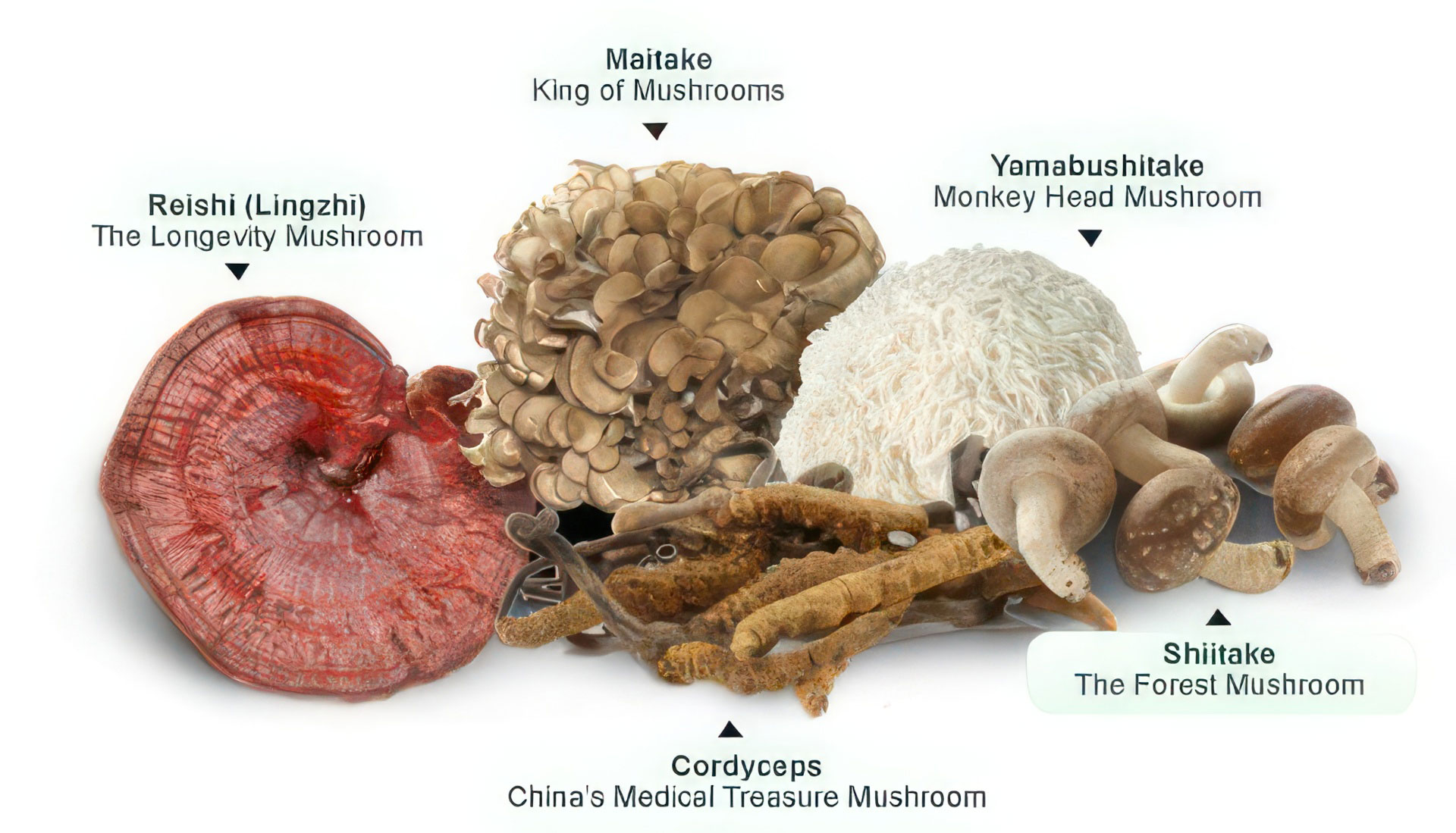
Medicinal Mushroom chart from Myco Depot, Mycology Supply Warehouse